
You are married
The Pronouncement
The pronouncement is the moment when the officiant declares what the entire ceremony has been leading toward: the couple is married.
The vows have been spoken. The rings or other tokens have been exchanged. The commitments have been made. Now, in the presence of family and friends, the officiant announces that the marriage has taken place.
It is an important moment, but it does not need to be a long one. In fact, the pronouncement is usually most meaningful when it is simple and direct.
The quick version
- The pronouncement is when the officiant declares you married, and simple and direct usually works best.
- I avoid “You may now kiss the bride” and use wording that makes the kiss mutual.
- Plan ahead for signing the marriage license so it doesn’t become a last-minute distraction.
- Your pronouncement can be religious, spiritual or secular, but it should reflect your beliefs.
- Many ceremonies close with a benediction or blessing after the pronouncement.
In this guide
The kiss, or another sign of affection
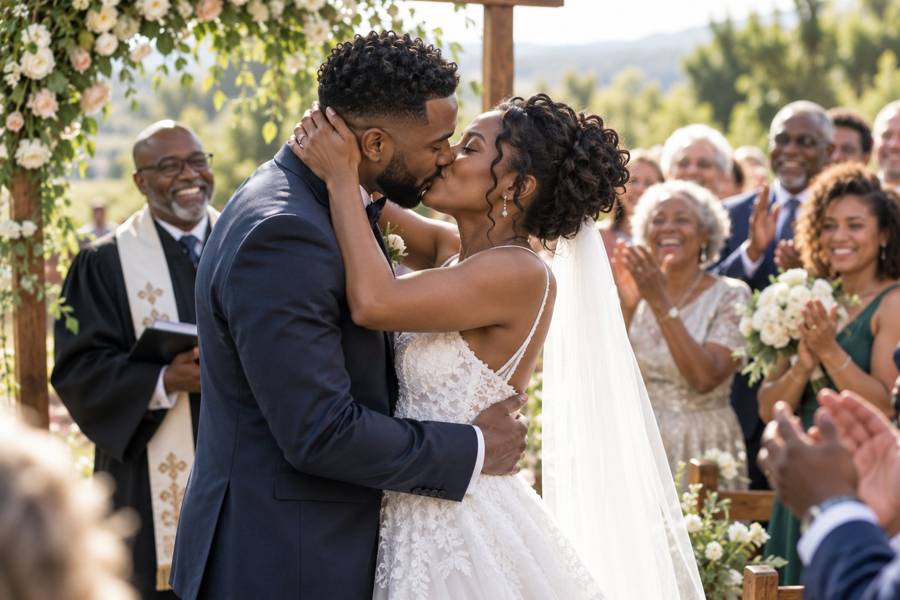
The pronouncement often includes one more memorable moment: an invitation for the couple to kiss, embrace, or otherwise express their affection.
You will notice that I have generally avoided the traditional phrase, “You may now kiss the bride.”
Why should only the groom be invited to kiss the bride? Might the bride be equally invited to kiss the groom?
Something as simple as “You may now kiss each other” or “Greet each other with a kiss” makes the moment mutual. Of course, not every couple needs to end the ceremony with a kiss. Choose an expression that feels natural and appropriate for the two of you.
What about signing the marriage documents?
There is one practical matter that may still need attention after the pronouncement: the marriage license, certificate, or other legal documents.
Exactly when these documents are signed, and who must sign them, depends on the laws where the marriage takes place. Your officiant should know the local requirements and can help you decide when the signing will occur.
In some ceremonies, the documents are signed immediately following the ceremony while guests are making their way to the reception. In others, the signing may take place at another appropriate time.
The important thing is to plan for it in advance so that a legal requirement does not become a last-minute distraction.
Religious, spiritual, or secular pronouncements
Many of the pronouncements I have used over the years acknowledge God and understand marriage within a religious or spiritual context. I have included several of those examples below because they may be exactly right for couples whose faith is an important part of their marriage.
But the pronouncement should reflect your beliefs and your ceremony.
For a secular ceremony, the officiant can instead acknowledge the authority under which the marriage is being solemnized, the commitments the couple has made, and the family and friends who have witnessed them.
For example, a religious pronouncement might say:
“And now, under God’s ordinance and in the presence of this company, I pronounce you husband and wife.”
A secular version might say:
“And now, having witnessed the vows and commitments you have made to one another, I pronounce you married.”
Whether your ceremony is traditional, religious, spiritual, contemporary, or secular, the purpose of the pronouncement remains the same: this is the moment when the officiant declares that you are married.
For help putting the pronouncement, vows, ring exchange and other parts of your ceremony together, see our complete wedding ceremony script guide.
Wedding pronouncement examples
There is no single right way to pronounce a couple married. The words can be traditional or contemporary, deeply religious or simple and understated.
The examples below offer several different approaches. Use one as written, adapt the wording to fit your ceremony, or let these examples help you create a pronouncement of your own.
1. A simple Christian pronouncement
Tap to read
And now, under God’s ordinance and in the presence of this company, I pronounce you husband and wife.
You may now kiss each other.
2. A joyful and celebratory pronouncement
Tap to read
What a tremendous moment!
Under God’s ordinance and in the presence of your family and friends, I pronounce you husband and wife.
Greet each other with a kiss as you begin your married life together.
3. A traditional Christian pronouncement
Tap to read
Hear what God has done!
According to God’s law, and through the grace of our Lord Jesus Christ, I now pronounce you husband and wife.
You may greet each other with a kiss.
4. A pronouncement focused on what God has accomplished
Tap to read
(Name) and (Name), in the presence of this company and in recognition of the promises you have made before God and one another, I now pronounce you husband and wife.
Let what God has done give you both cause to rejoice.
You may now greet each other in your new relationship and seal your union with a sign of your affection and love.
5. A pronouncement using the traditional words of Jesus
Tap to read
I now pronounce you husband and wife.
What, therefore, God has joined together, let no one put asunder.
You may now kiss each other.
6. A warm pronouncement before family and friends
Tap to read
As witnessed by your family and friends, and having made your promises to one another, you are now joined together in marriage before God.
It is my joy to pronounce you husband and wife.
You may now embrace and celebrate your marriage.
What comes after the pronouncement?
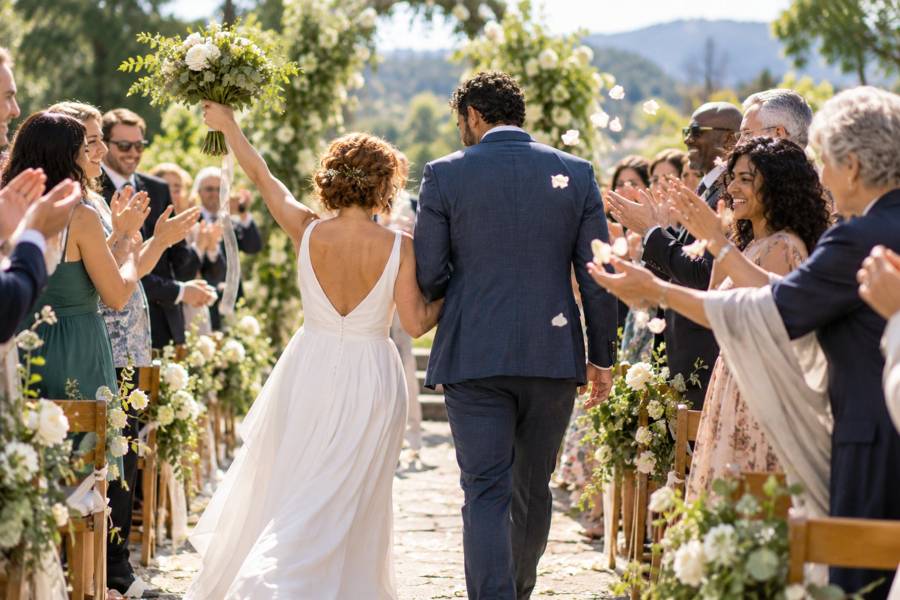
The pronouncement is often the final declaration of the marriage, but it does not always mean the ceremony is quite finished.
Many ceremonies conclude with a few final words: a benediction, blessing or expression of hope for the couple as they begin their married life together. Continue to Wedding Ceremony Benediction and Closing Blessing for examples of meaningful ways to bring the ceremony to a close.