
How to Plan a Wedding: A Step-by-Step Guide
Planning a wedding can feel overwhelming at first. There are decisions to make about your budget, guest list, venue, wedding party, invitations, ceremony, reception and dozens of other details.
The good news is that you don't have to make every decision at once. A wedding becomes much easier to plan when you take it one step at a time and make the biggest decisions first.
This step-by-step guide walks you through the major decisions from your first conversations about the wedding through your wedding day. Along the way, you'll find links to more detailed guides for each part of the process.
Feeling overwhelmed? Start with these three.
- Talk with each other about what matters most.
- Agree on how you will make decisions together.
- Set a realistic budget.
Your wedding doesn't have to look like anyone else's wedding. Use these steps as a framework, then make choices that reflect your relationship, priorities and budget.
Start with the big wedding decisions
Before you start choosing flowers, invitations or reception details, take some time to talk about the wedding you both want.
Early planning gives you more choices, more time to compare costs and less pressure to make rushed decisions. It also gives you room to handle the unexpected without letting wedding planning take over your life.
You don't need to have everything figured out. Start with the decisions that shape everything else: your priorities, approximate budget, guest list, date and location. Then the rest of the planning becomes much easier to organize.
Your wedding planning steps
The steps below cover the major parts of planning a wedding, from your first conversations about what you want through the final details before your wedding day. Use them as a guide rather than a rigid schedule, and follow the links for more detailed help with each part of the planning process.
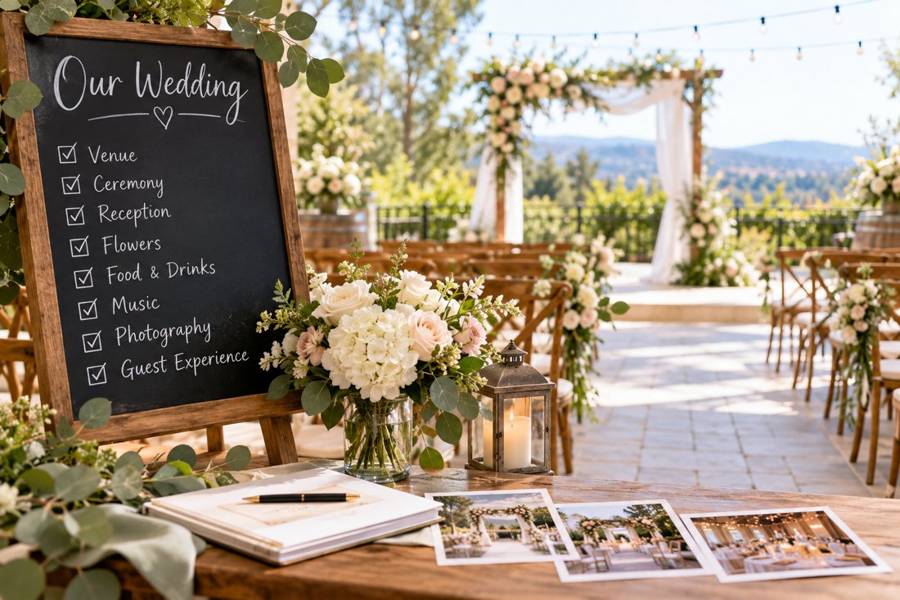
Take the whole plan with you
Download the free Wedding Planning Checklist: all 23 steps on printable pages, with a checkbox for each and a link to the full guide.
Download the free checklist (PDF)
Phase one
Build Your Wedding Foundation
Before booking venues or choosing the details, start with the decisions that will shape everything that follows. Talk about what you both want, decide how you'll make choices together and establish a realistic budget.
1Talk About Your Wedding Plans
Planning begins with a conversation. Talk with each other about what matters most, what kind of celebration you imagine, what your priorities are, and how family and friends will be involved.
Read: Communicating About Your Wedding Plans2Decide How You'll Make Wedding Decisions
You'll make dozens of decisions during wedding planning. Agreeing early on how you'll set priorities, handle differences, listen to one another, and make choices together can make the entire process easier.
Read: How to Make Wedding Planning Decisions Together3Establish Your Wedding Budget
Before committing to major expenses, determine what you can comfortably spend, who will contribute and which parts of the wedding matter most to you.
Read: How to Plan a Wedding Budget Without Overspending4Decide Whether You Need Planning Help
Consider how much of the planning you want to handle yourselves and whether a wedding planner, designer or coordinator could help. The right level of professional assistance depends on your wedding, budget and how much time you have.
Read: Wedding Planner, Designer or Coordinator: Which Do You Need?5Choose the Planning Tools That Work for You
Apps and online tools can help with budgets, timelines, guest lists and other details, but you don't need to use every tool available. Choose a planning system that makes the process simpler rather than more complicated.
Read: Wedding Planning Apps and Online ToolsAlso helpful: What does a wedding cost? Budget-friendly wedding planning
Not sure how to start the budget?
Begin with what you can comfortably spend, then decide which parts of the day matter most. Our guide walks through it, and an editable planner keeps every cost in one place.
Read the budget guide Editable budget planner Planning timeline & checklist
The planner link is an affiliate link. If you buy through it, we may earn a small commission at no extra cost to you.
Phase two
Shape Your Wedding
Once you've established your priorities and budget, you can begin making the larger planning decisions that determine how the rest of the wedding comes together.
6Choose Your Date and Venue
Your date and venue are closely connected. Availability, season, location, guest count and budget can all affect your choices, so consider them together before making a commitment.
Read: Choosing Your Wedding Date and Venue7Begin Planning the Reception
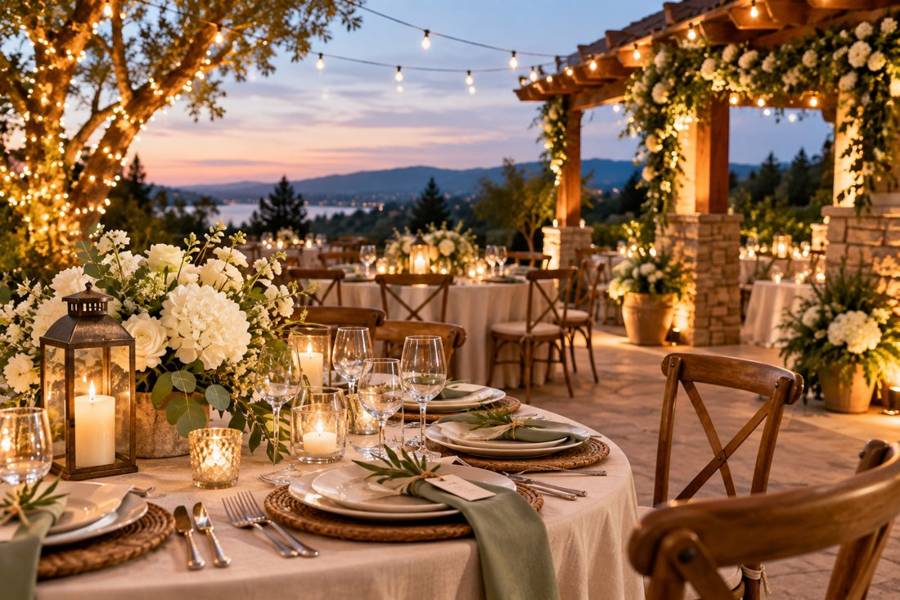
Think about the kind of reception you want, including food, entertainment, seating, decor and the flow of the celebration. Your venue and budget will help determine many of these choices.
Read: Wedding Reception Planning8Choose Your Wedding Party
Decide who you would like beside you during the wedding and what role you want each person to play. Don't feel bound by traditional gender roles or wedding-party expectations if they don't fit you.
Read: Choosing Your Wedding Party9Develop Your Wedding Style, Theme and Decor
Consider the atmosphere you want to create rather than feeling that you need a formal "theme." Colors, setting, season and personal interests can help create a wedding that feels cohesive and genuinely yours.
Read: Wedding Themes and Decor10Decide on the Wedding Dress Code
Your venue, season, time of day and overall style can help determine how formal, or informal, you want your wedding to be. Make the dress code clear enough that your guests know what to expect.
Read: Wedding Dress CodesAlso helpful: Wedding decor inspiration Unique wedding tablescapes
Phase three
Plan for Your Guests and Ceremony
With the foundation in place, turn your attention to the people you'll invite and the ceremony that will bring everyone together. Your guest list, invitations and officiant all play an important role in shaping the celebration.
11Create Your Guest List
Your guest list affects your venue, catering and budget, so establish it relatively early. Decide together who you want to include and how you'll handle family expectations and difficult choices.
Read: How to Create a Wedding Guest List Without Stress or Overspending12Choose Your Invitations and Organize Guest Information
Decide whether you'll use printed invitations, electronic invitations or a combination. Establish a system for addresses, responses and other guest information so you don't have to reconstruct it later.
Read: Wedding Invitations and Your Guest List13Choose Your Wedding Officiant
Your officiant does much more than stand at the front of the ceremony. Choose someone who understands the kind of ceremony you want, can help you create it and meets the legal requirements for officiating where you will be married.
Read: Choosing a Wedding Officiant14Create Your Wedding Ceremony
Now you can begin deciding what will actually happen during the ceremony, from the opening words and vows to the exchange of rings and pronouncement. Make the ceremony reflect your relationship, beliefs and personalities.
Read: Wedding Ceremony Script: Your Complete GuideAlso helpful: How to write wedding vows that matter Wedding ceremony ideas
Phase four
Choose the Details
With the major decisions in place, you can turn your attention to the details that make the wedding feel personal. Flowers, rings, gifts and other choices can reflect your style and relationships without losing sight of your priorities and budget.
15Choose Your Wedding Flowers
Decide where flowers matter most to you, for the ceremony, wedding party, reception or all three. Your season, venue, colors and budget can help guide the choices.
Read: Wedding Flowers16Choose Your Wedding Rings
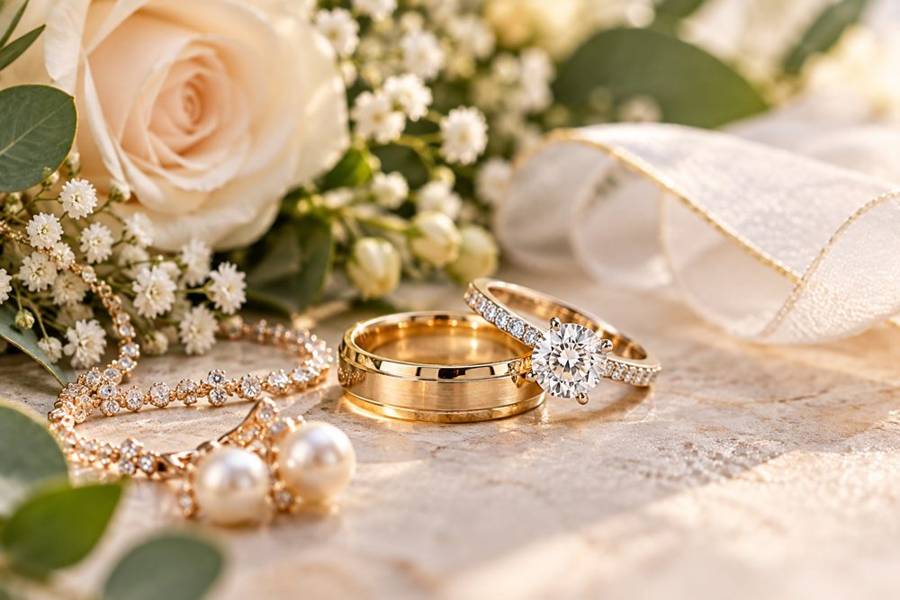
Give yourselves enough time to select rings you genuinely like, have them properly sized and make any necessary adjustments before the wedding.
Read: Wedding Rings17Choose Gifts for Your Wedding Party
If you want to thank members of your wedding party with gifts, choose something appropriate to your relationship and budget. Meaningful doesn't necessarily mean expensive.
Read: Wedding Party Gift Ideas18Create and Share Your Wedding Registry
If you want a registry, choose items or experiences that genuinely fit your life together. Keep the registry updated and make it easy for guests to find without making gifts the focus of your celebration.
Read: Wedding Gifts and Your Gift Registry19Send Your Wedding Invitations
Send invitations with enough time for guests to make arrangements and respond. Keep track of RSVPs as they arrive and follow up when necessary.
Read: Wedding Invitations and Your Guest ListAlso helpful: Fashion looks for weddings in 2026 Elegant and romantic wedding decorations
Phase five
Prepare for the Wedding Day
As the wedding approaches, focus on the final preparations and legal details, then give yourself permission to enjoy the celebration you've worked so hard to create.
20Plan Your Wedding Rehearsal and Rehearsal Dinner
As the wedding approaches, determine whether you need a rehearsal and who should attend. If you're having a rehearsal dinner or gathering, decide on the location, timing, food and who will host.
Read: Wedding Rehearsal and Dinner21Get Your Marriage License
Check the legal requirements where you will be married, including identification, application procedures, waiting periods and expiration dates. Requirements vary by location, so don't leave this until the last minute.
Read: Marriage License and Certificate22Enjoy Your Wedding
You've planned, made decisions and handled countless details. When the wedding day arrives, allow yourself to experience it rather than trying to manage every detail. Something unexpected may happen. That's okay. The goal isn't a technically perfect wedding; it's celebrating your commitment with the people you've chosen to have around you.
23Remember the Wedding Is the Beginning
After the photographs have been taken, the celebration has ended and the thank-you notes have been sent, you get to begin the part that matters most: your marriage. Carry forward some of the things that helped you plan the wedding together: talking, listening, making decisions together, expressing gratitude and remembering what matters most to both of you.
Also helpful: Wedding toasts How to write a wedding toast
After the wedding
A few things you may not expect
Not every part of wedding planning fits neatly into a checklist. Questions about marriage licenses, eloping, or even pre-wedding doubts can sometimes arise along the way.
Wedding planning advice: 3 things you may not expectYou did it: enjoy your wedding
If you planned early, take the week before the wedding off and relax. You might want a spa day, time to read a book, or time at the gym.
On the day of the wedding, nothing will go wrong. Whatever happens, happens, and it is all good. Adopt this outlook. Joy is from within.
When you are alone with your partner, talk about what was exciting, how delighted you are with various parts of the day, and compliment your partner on their part in making the wedding a most perfect experience.
Be blessed
In the weeks that follow, look at the photographs and videos of your celebration. They will bring back so many wonderful memories and let you relive the event. Keep up the habits that got you here: talking, listening, and sharing your ideas, thoughts, and wishes for each day. And develop an attitude of gratitude for each other and for everything that comes into your life. A positive outlook is like a muscle. The more you use it, the stronger it becomes.