
Getting help
Wedding Planner, Designer or Coordinator: Which Do You Need?
Planning your wedding yourselves can be exciting and rewarding, but it can also involve more decisions and details than you expected.
A wedding planner, designer or coordinator can provide different kinds of help. One may guide you through much of the planning process, another may focus on the look and atmosphere of the wedding, while another may step in closer to the wedding day to help everything run smoothly.
The question isn’t whether you should hire professional help. It’s what kind of help, if any, would make planning your wedding easier and more enjoyable.
Before hiring anyone, think about where you would most value some help. Do you want someone to guide you through the entire planning process, help create the look and feel of the wedding, or simply make sure everything runs smoothly on the wedding day? Those needs generally point toward three different kinds of professionals:
A wedding planner
Guides you through the planning process, from early decisions to the wedding day.
A wedding designer
Focuses on the look, style and atmosphere of the wedding.
A wedding coordinator
Manages the logistics as the wedding approaches and on the day itself.
Or you may decide: we’ll do it ourselves
Plan it together, with help from people you trust.
Understanding the differences can help you choose the level of assistance that fits your wedding, your budget and the way you want to plan.
In this guide
A wedding planner
A wedding planner can help you manage the wedding planning process from the early decisions through the wedding day. The level of involvement varies, but a full-service planner may work with you for months before the wedding. Depending on the services you choose, a wedding planner may help you:
- Develop and track your wedding budget
- Create a planning timeline
- Find and communicate with vendors
- Coordinate the venue, catering, flowers, music and transportation
- Keep contracts, deadlines and payments organized
- Plan the rehearsal and other pre-wedding events
- Coordinate the many details leading up to the wedding
- Manage logistics and unexpected issues on the wedding day
A planner can be particularly helpful if you’re planning a large or complicated wedding, have limited time, are organizing the wedding from a distance or simply don’t want to manage every detail yourselves.
How much help do you want?
Hiring a wedding planner doesn’t mean giving up control of your wedding. Before signing a contract, talk about which decisions you want to make yourselves and which responsibilities you want the planner to handle.
If you enjoy researching vendors, comparing options and making the arrangements yourselves, you may not need full-service planning. You might benefit more from a coordinator who becomes involved closer to the wedding day. The right choice depends on how much help you want, how much time you have and what your budget allows.
A wedding designer
A wedding designer focuses primarily on the look, style and atmosphere of your wedding rather than managing the entire planning process. A designer can help turn your ideas into a cohesive visual concept. Depending on the services offered, a wedding designer may help with:
- Colors and overall wedding style
- Flowers and decor
- Table settings and reception design
- Lighting and other visual elements
- Ceremony and reception spaces
- Finding resources that can bring your ideas to life
You may already know how you want your wedding to feel but aren’t sure how to bring all of the elements together. A designer can help translate those ideas into a wedding that looks and feels consistent.
Keep in mind that services vary. Some wedding planners also offer design services, while some designers focus almost entirely on the visual elements of the wedding. Ask exactly what is included before hiring someone.
A wedding coordinator
A wedding coordinator is a good option if you want to make most of the planning decisions yourselves but would like someone else to manage the logistics as the wedding approaches. Rather than planning the wedding from the beginning, a coordinator generally works with the plans you’ve already made. Depending on the services offered, a coordinator may:
- Review your plans and vendor arrangements
- Create or finalize the wedding-day timeline
- Communicate with vendors before the wedding
- Coordinate the rehearsal
- Make sure people and supplies are where they need to be
- Keep the ceremony and reception running on schedule
- Handle questions and unexpected problems on the wedding day
One of the biggest advantages is simple: you don’t have to be the person everyone comes to with questions on your wedding day.
Some coordinators become involved several weeks before the wedding, while others provide more limited wedding-day services. Ask when their involvement begins and exactly what they will handle.
If you’ve enjoyed planning the wedding yourselves but want to hand off the logistics as the wedding approaches, a coordinator may provide exactly the level of help you need.
Hire someone, if only for a day
Even if you plan most of the wedding yourselves, hire someone to coordinate what takes place on the wedding day. This person is like an orchestra conductor who makes sure everything flows together in harmony. If anything goes wrong, you need someone other than you to address and solve it. It should not fall to your parents, your friends, or your guests.
Meet with the coordinator well in advance so that he or she is oriented before the day. Keep in regular contact so the coordinator knows about changes, small or large, and knows what to expect. A one-day coordinator will be much less expensive than someone who coordinates the entire wedding process.
What will professional wedding help cost?
The cost of a wedding planner, designer or coordinator can vary considerably depending on where you’re getting married, the size and complexity of the wedding, the professional’s experience and how much help you want.
Full-service planning will generally cost more than limited planning or wedding-day coordination because the professional is involved for a much longer period of time.
Rather than looking only at the price, consider what you’re getting for that price. Ask what services are included, when the professional’s involvement begins and ends, how much communication is included and whether there are additional charges you should anticipate.
Before you hire someone
Talk with more than one planner, designer or coordinator before making your decision. Ask questions, check references or reviews and make sure you feel comfortable working with the person. Most importantly, read the contract carefully. It should clearly explain:
- The services being provided
- When those services begin and end
- Payment amounts and due dates
- Cancellation and refund policies
- Any additional fees or expenses
- What happens if the professional is unavailable on your wedding day
A less expensive service isn’t necessarily the better value, and the most expensive option isn’t necessarily what you need. Choose the level of professional help that fits your wedding, your priorities and your budget.
Do it yourself
You can, of course, plan the wedding yourselves. That’s what my wife and I did more than 50 years ago, and it worked out well. We didn’t have much money, but we still had a wonderful wedding.
We chose the officiant and location, selected the flowers and music, purchased and mailed the invitations and attended to hundreds of other details ourselves.
For the reception, my wife’s dear mother prepared enough food for more than 125 guests—right from her own kitchen. She was a wonderful cook, and the meal was outstanding.
It was also an enormous amount of work. Somehow, we planned the wedding while renovating a fourplex apartment building we had just purchased. Looking back, that seems a little crazy!
You, your friends and your family may not want to take on quite that much. And you don’t have to.
Planning your own wedding can work particularly well when you’re comfortable making the decisions, have enough time and are willing to stay organized. A smaller or more informal wedding may make DIY planning easier, but couples can also plan larger weddings themselves with good organization and help from people you trust.
The important thing is not whether you plan everything yourselves or hire professionals. It’s choosing the amount of help that allows you to enjoy both the planning and the wedding itself.
If you’re doing much of it yourselves, these two planners can keep the budget and the guest list in order:
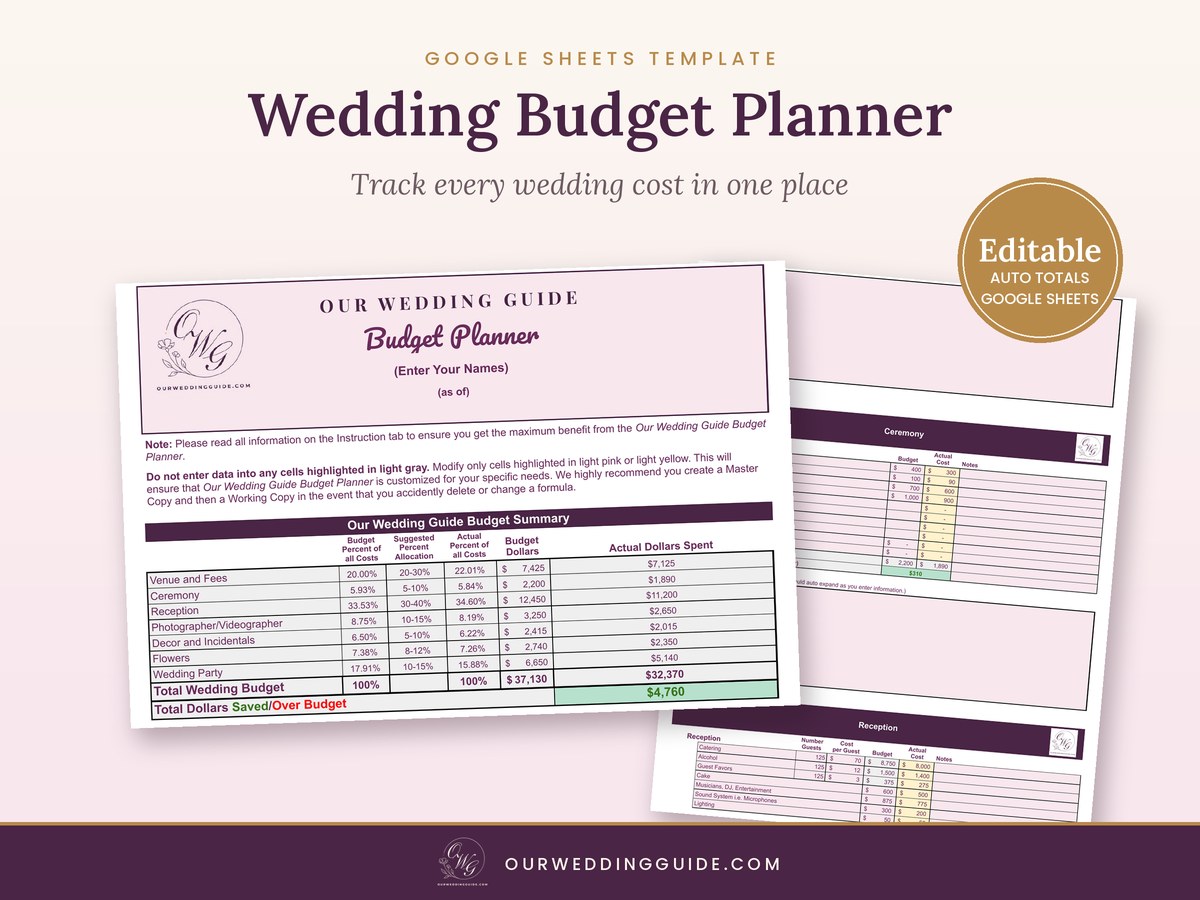
Google Sheets template
Wedding Budget Planner
Track every cost in one editable spreadsheet and see what is left at a glance.
See it on EtsyAffiliate link: we may earn a small commission at no extra cost to you.
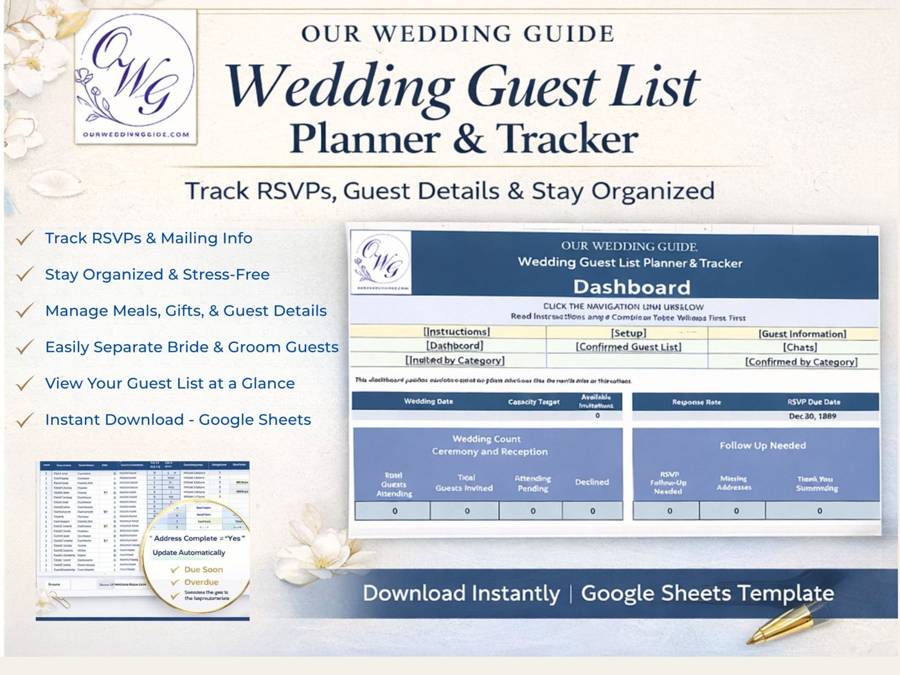
Google Sheets template
Wedding Guest List Planner & Tracker
Track invitations, RSVPs and meal choices, and keep every address in one place.
See it on EtsyAffiliate link: we may earn a small commission at no extra cost to you.
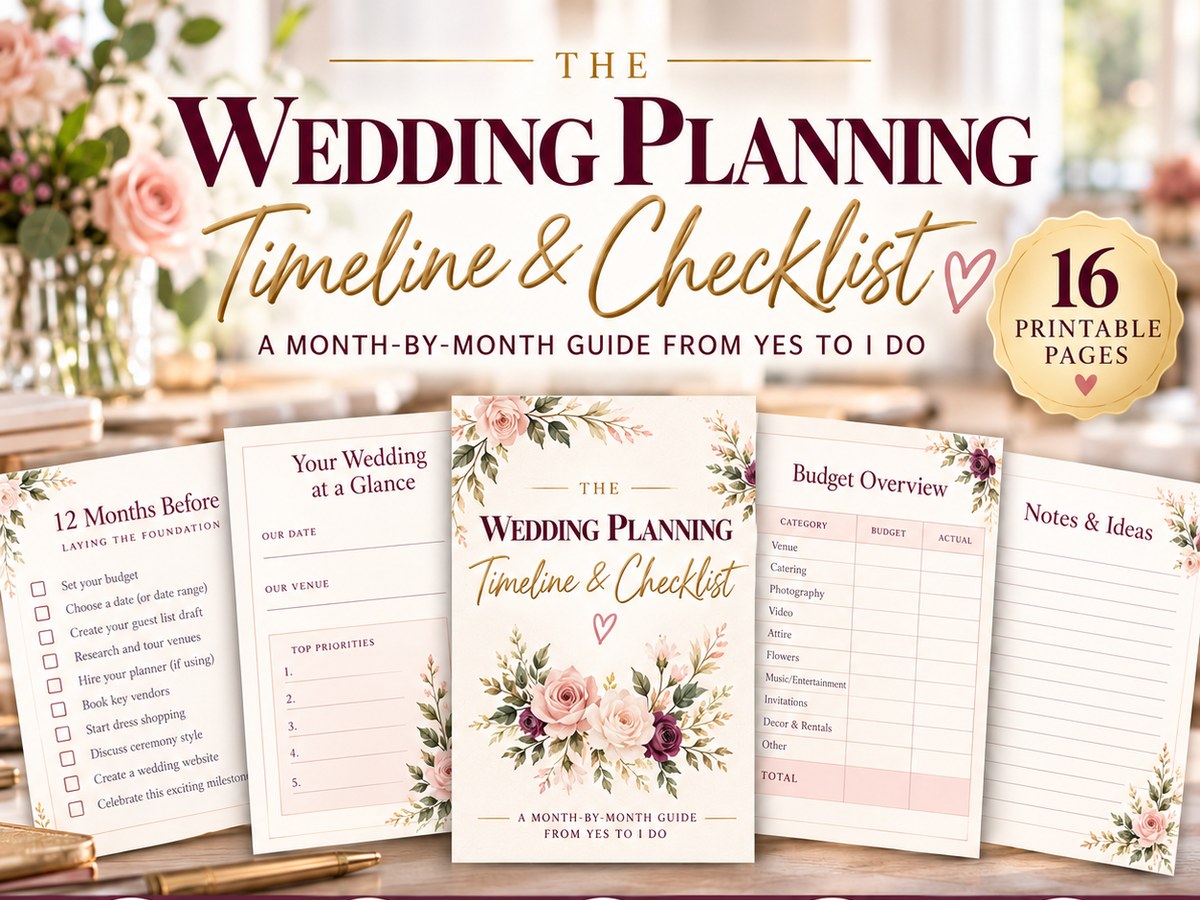
Printable PDF kit
Wedding Planning Timeline & Checklist
A month-by-month checklist from the day you say yes to the day after the wedding, with a key dates tracker, a budget reminder and notes on every page. 16 printable pages.
See it on EtsyAffiliate link: we may earn a small commission at no extra cost to you.
Continue planning your wedding with our step-by-step wedding planning guide. See also wedding planning apps and online tools and the wedding planning checklist.