🎁 A free gift for newlyweds: Your First Year of Marriage, 12 monthly notes. No email, no strings.Get your free copy
Advice from a florist's son
Flowers for Your Wedding: Five Essential Tips
I grew up in a flower shop. My mom opened it knowing nothing about the flower business, and it became the busiest place in our little town. Weddings were her specialty. A lot of what's on this page, I learned watching her and Dad.
Read Mom's story
Mom loved flowers from the time she was a small girl. To me, opening that shop was the greatest testament to her creativity, imagination, perseverance and talent. She didn't know anything about the flower business, but she was determined to open a shop, become a designer, and build a business that worked. And she did! That shop became the foundation of our family finances and gave us vacations we would never have known otherwise.
She taught herself by taking arrangements apart. She gathered old sprays, wreaths and containers that were headed for the trash, carried them to our back porch, and pulled them apart piece by piece to see how they were built: what held them up and what made them beautiful. She knew colors, quickly learned the names of hundreds of flowers, and just kept getting better.
Hers was the only flower shop for miles. There were no grocery store bouquets and no online ordering back then. Cars lined up down the street at Easter, Christmas, Mother's Day and prom. Eventually the business got so big that Dad joined her. Dad was a great designer, maybe better than Mom. They split the work, and weddings and celebrations were Mom's. Sometimes I was the delivery boy, carrying flowers to churches and homes.
The right flowers set the tone for your whole celebration. Whether you're planning a casual outdoor gathering or a formal indoor affair, here are five tips to help you choose flowers you'll love without blowing your budget.
Before meeting with a florist, decide on the overall mood you want: romantic, modern, rustic, bohemian (free-spirited and artistic), or something all your own.
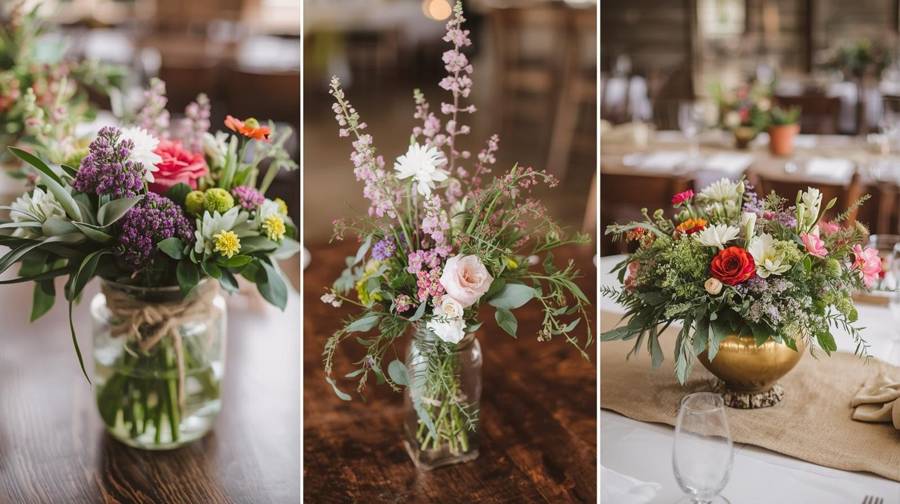
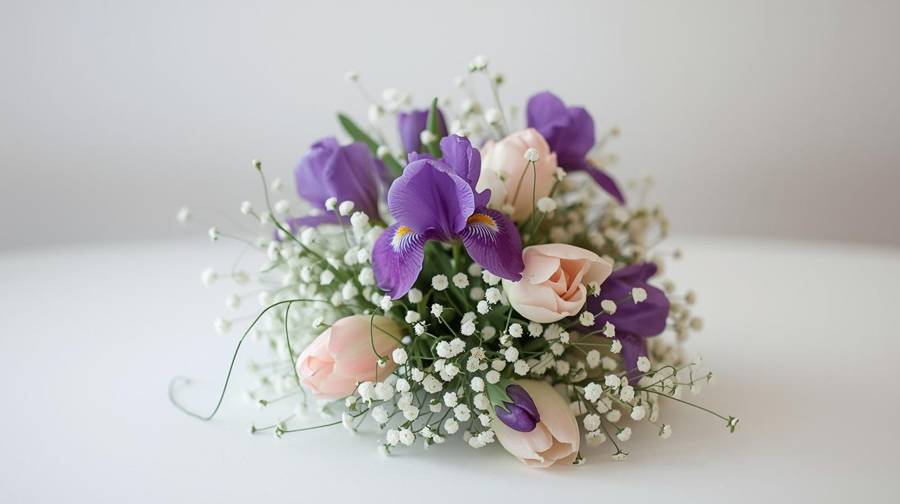
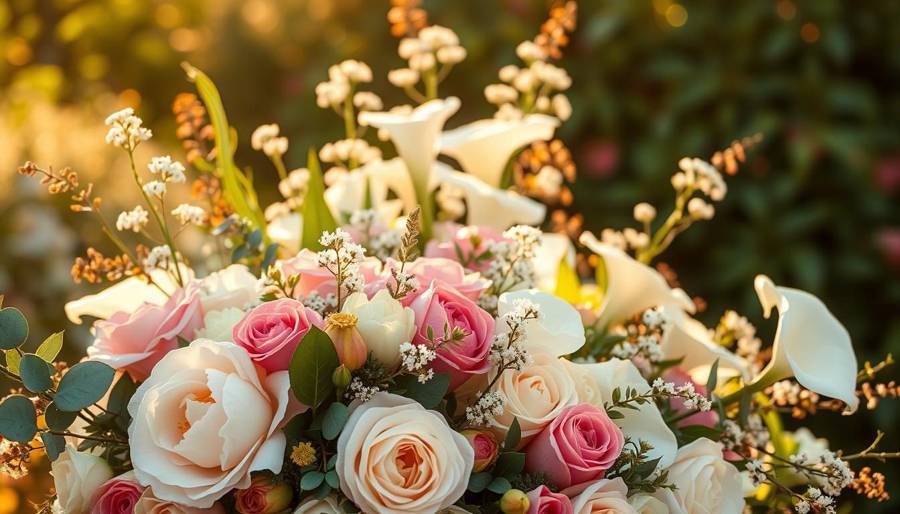
Collect photos or make an inspiration board. Your venue has its own natural look: grand ballrooms, barns and gardens all call for different styles and sizes of arrangements. A rustic outdoor wedding might call for wildflowers, rosemary, daisies, sunflowers and greenery, while a formal indoor ceremony in spring might lean toward roses, hydrangeas, tulips and irises.
For more casual weddings, add texture: bows made of burlap, tiny boxes wrapped in brown paper and tied with twine, or scraps of fabric draped loosely through your arrangements. Make them yourself and they lower the cost, because they fill space that would otherwise take more expensive flowers.
The same idea works for formal settings with lace, satin, sheer fabric or netting. Small ring boxes, miniature toasting glasses, toy glass slippers for that Cinderella theme, or any tiny object that reflects your hobbies can be fun tucked into an arrangement.
My mother and father did this all the time. I remember them using wire and pipe cleaners to fasten big gummy candies, miniature chocolate bars and little bags of treats right into custom arrangements.
Flowers have a way of changing everything. They have a voice all their own and put the finishing touches on any party.
2. Seasonal blooms
Flowers that are in season are easier to find and usually cost less. Irises and daffodils are hard to come by in December, while poinsettias in December and white lilies in March and April are everywhere. Holidays move prices too. You can buy roses year-round, but the price doubles around Valentine's Day.
Spring brings tulips and daffodils, late spring and early summer bring peonies and roses, and mid to late summer brings sunflowers and dahlias. Fall has chrysanthemums and asters, with amaranth and berries for texture and color. For winter, look to eucalyptus, holly and poinsettias.
January through March is typically the most expensive time for wedding flowers. July through September will be your lowest-cost option. Seasonal flowers can also suit your color palette if you choose colors that fit the season.
If your date falls near a holiday, like July 4 or Easter, delivery schedules get more complicated.
I saw this firsthand. At Mom's shop, cars lined up down the street at Easter, Mother's Day and prom. If your date is near a busy flower holiday, book your florist early and expect to pay more.
3. Prioritize key arrangements
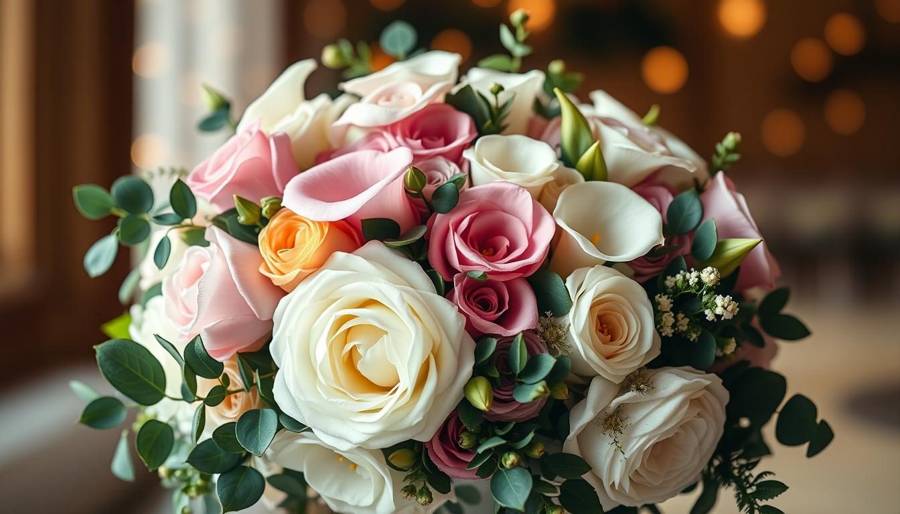
If you're on a budget, spend on the flowers that make the biggest impression: your bridal bouquet, the ceremony backdrop and the reception centerpieces. You can move ceremony flowers to the reception and stretch your budget without giving up beauty.
Here's where flowers show up at a wedding. Go through the lists and decide what matters most to you.
Wedding party flowers
Bridal bouquet
Bridesmaids' bouquets
Boutonnieres
Corsages
Flower girl bouquet
A second bouquet for the bouquet toss
Floral hair accessories
Ceremony flowers
Aisle markers
Aisle runner
Symbolic flowers
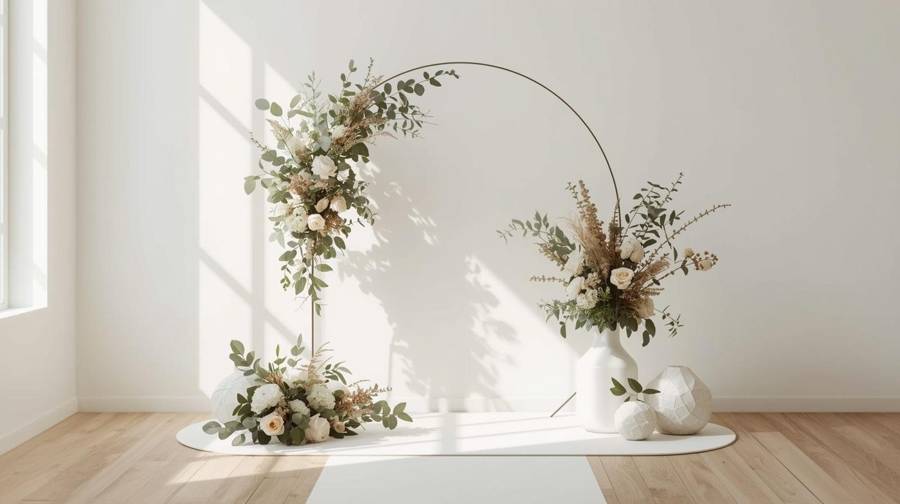
Ceremony arch, garlands, accents and venue displays
Petals for the aisle
Reception flowers
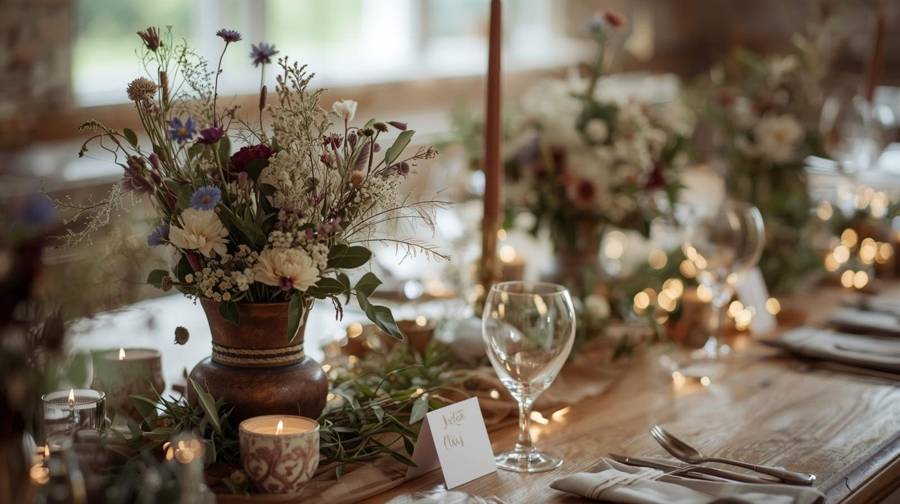
Centerpieces
Bar decor
Dessert table decor
Displays for the seating chart, card table and special tables
Chair swags
Wedding cake flowers
4. Considering your budget
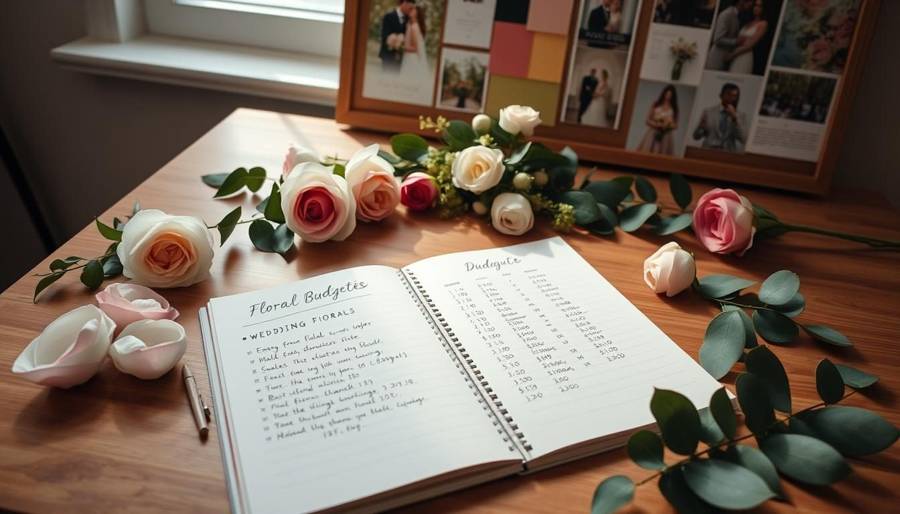
Some arrangements are worth the money, and others are places you can save without anyone noticing. Seasonal flowers, simpler designs and reusing ceremony flowers at the reception all help. If you haven't set your numbers yet, start with my guide to a wedding budget.
Look at what's underneath. Mom learned her trade by taking arrangements apart to see how they were built. Do the same with your quote. Ask your florist what each piece is made of. Greenery, foam, wire and containers all add up, and that's often where you can trim.
Mixing do-it-yourself pieces with a professional florist can save hundreds of dollars. Making your own table centerpieces is a big saver. Simple designs, smaller displays, and potted plants in pretty containers from a thrift shop cut costs too. For intricate or custom work, hire a professional.
You can also buy flowers locally, grow your own if you start early enough in the season, or mix in some silk flowers. Fresh flowers fade in a few days, which is part of what makes them precious. Balance what you spend on things that fade, like flowers, with things that last, like photographs.
From a wedding I officiated. One of my favorite weddings was on a family's large property in Toronto, and it was a real privilege to be part of it. Months ahead, the mother of the bride planted white impatiens and nurtured and pruned roses and other white flowers along every path: to the ceremony, to the reception, and yes, even to the porta-potties. I was struck by her creativity and her green thumb. It was a personal touch no florist could replace. If someone in your family loves to garden, a few months' head start can give you something money can't buy.
Finally, think about donating your flowers after the wedding. Many hospitals, nursing homes and charities welcome them, and it shares your joy with people who could use a lift.
5. Trust your florist's expertise
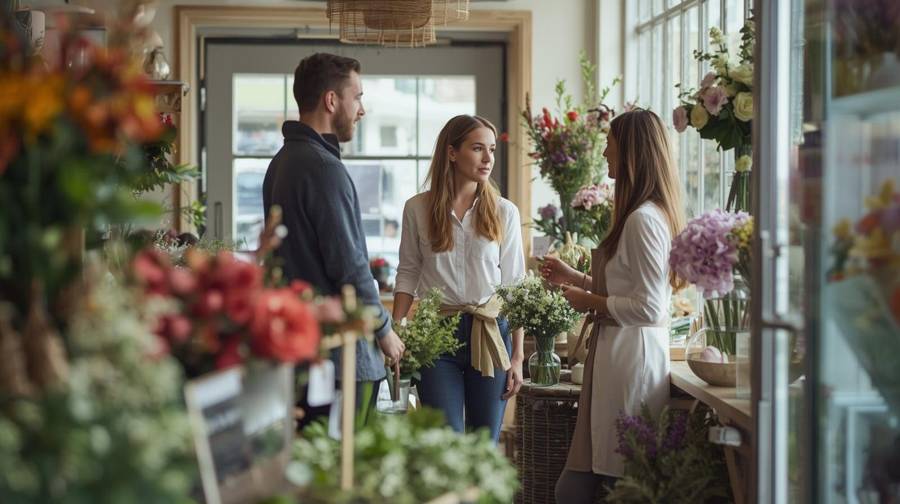
Shop around for a florist who will honor your budget, listen to your ideas and offer good suggestions. It's always smart to compare prices and options.
A good florist knows which blooms will last, what works within your budget, and how to get the look you want. Share your ideas openly, then give them some creative freedom. They may suggest things you never thought of.
Weddings were Mom's specialty. A florist who does weddings week in and week out knows the timing, the setup, and what holds up on a hot afternoon. Ask how many weddings they did last year, and ask to see photos of real ones, not just styled shoots.
In conclusion
Start with your vision, pick what's in season, spend where it shows, and find a florist you trust. Do that, and your flowers will look like you.